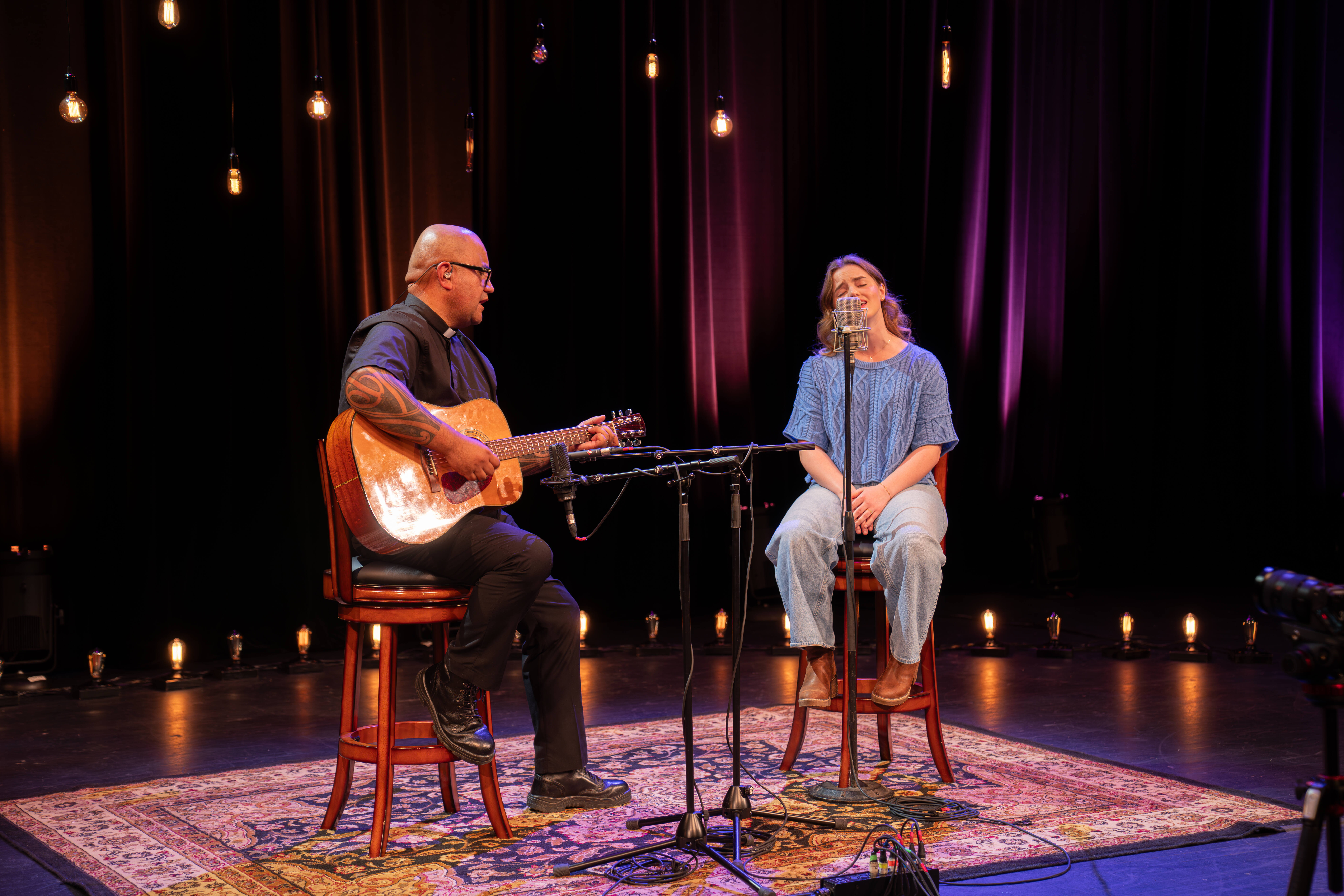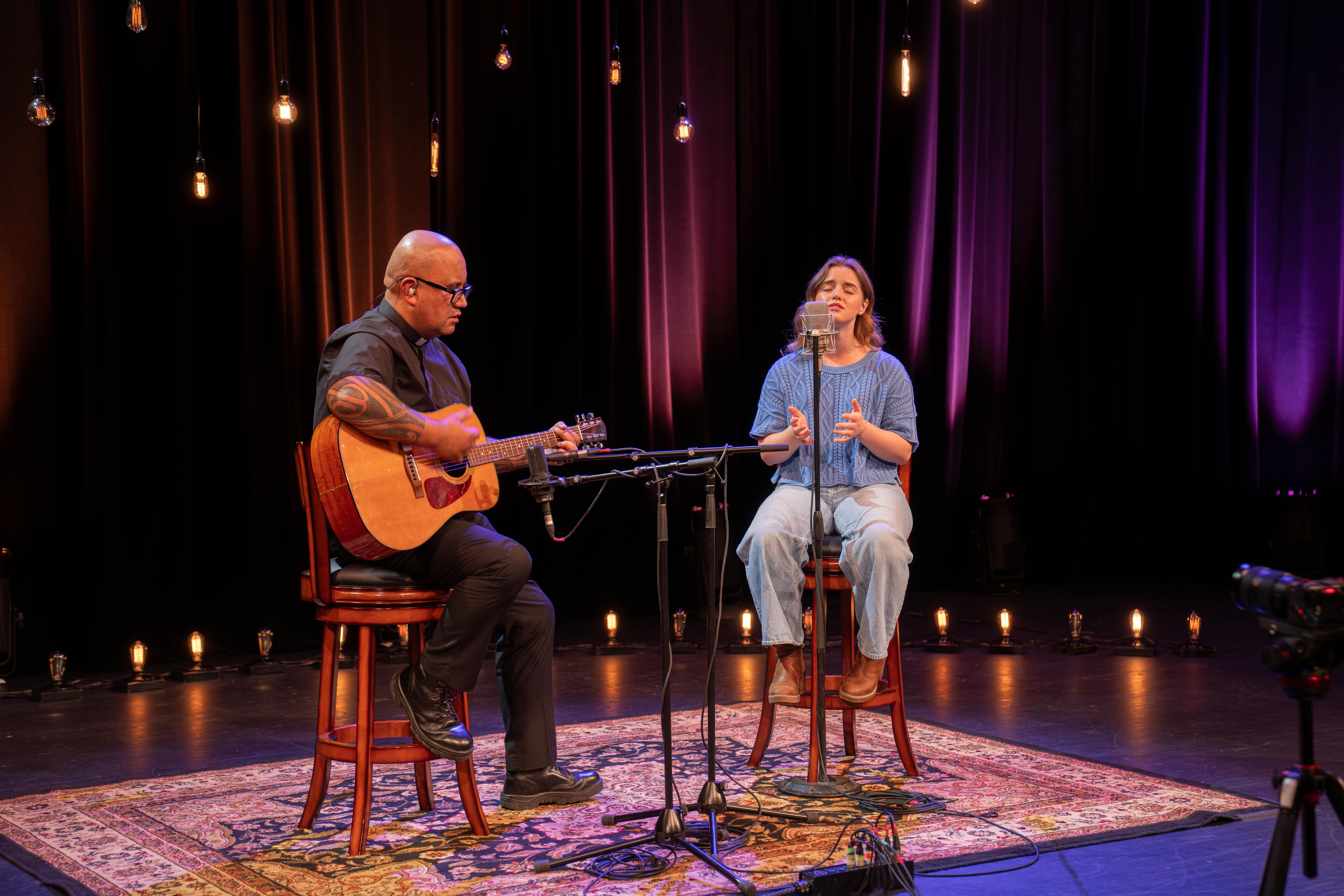



A hymn, a crusade, and a language half a world away — LeTourneau University is honoring the legacy of Billy Graham and the story behind one of the world's most beloved worship songs with a music video unlike any other. Discover the history, the people, and the purpose behind How Great Thou Art performed in both English and Māori.
One Legacy, Two Languages, One Gospel
“Many people know the hymn How Great Thou Art, but very few know the story of how Billy Graham’s ministry helped shape the Māori version that is sung across New Zealand today.” (Dr. Steve Elers, Associate Professor of Communication, LeTourneau University) In 1959 during his ministry, the late Billy Graham, American evangelist and former LeTourneau University Board of Trustees member (from 1961 to 1975), visited New Zealand for one of his crusades. During this visit, he met with an Anglican priest about the idea of translating the Christian hymn How Great Thou Art that’s been around for years into New Zealand’s native Māori language. It became a tradition for believers and non-believers in the country. In 1982, the song reached number one on the pop charts in New Zealand. The song is known for being played at funerals, weddings, celebrations, etc. in the country.
A Ministry That Moved Mountains
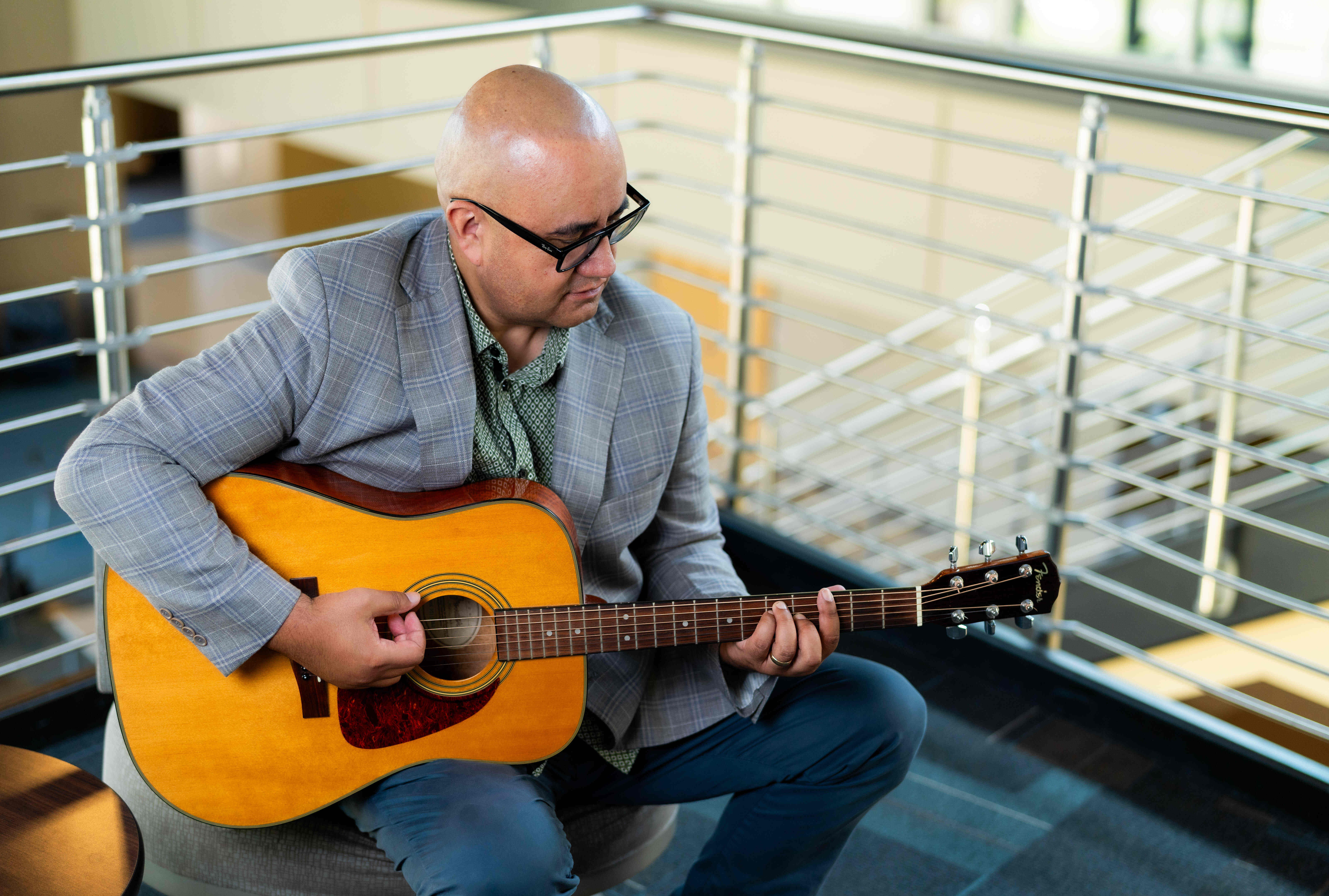
This connection with Billy Graham, LeTourneau University, and New Zealand sparked the interest of Dr. Steve Elers, Associate Professor of Communication at LeTourneau. “Before I applied for the position at LeTourneau, I researched the university and saw that Billy Graham served on the Board of Trustees for years. I thought it was interesting knowing the story of Billy Graham and his relation to getting How Great Thou Art translated in the Māori language. I thought it would be cool to make a music video of the song in both English to represent and honor Billy Graham and LeTourneau and in Māori to represent New Zealand.”
The beginning stages of the music video began in Fall 2025. Current LeTourneau student Glory Griffin (Sports Psychology, 2026) was chosen to sing the hymn in both English and Māori. “When Dr. Elers first talked to me about it, I knew right away that it was very unique. I felt pretty immediately that the Lord was letting me be a part of this project. It’s a cool opportunity to spread the gospel through music” she said.
A Student, a Song, and a New Language
With a plan now in place for the video, the process of learning the song began. Being authentically Christian and having a hands-on learning experience for students are tow of the biggest takeaways from receiving an education here. Showcasing God-given talents in this way represents both being authentically Christian and the hands-on learning experience that make LeTourneau the place it is.
“I was nervous about learning a new language at first but after meeting with Dr. Elers and realizing that the Māori language was similar to Japanese, a language I studied previously, I knew that that was Lord. I was able to pick up the language quickly and working with Dr. Elers was great. he provided feedback when needed but also encouraged me.” she said.
More Than a Music Video
This project is set to reach people from the small town of Longview in East Texas all the way to New Zealand. Dr. Elers, who was born and raised in New Zealand and brings his Māori heritage with him to the classroom, views this project as a bridge between cultures and generations all united by the same gospel message.
This music video is more than a creative project — it is the continuation of a story that started over sixty years ago, one that was always about something far greater than any one person, place, or language. He says, “I want this music video to glorify Christ… This video promotes LeTourneau, but most importantly, it’s glorifying Christ and spreading the gospel.” Through this connection to Billy Graham, “… we are also paying tribute to him, the connection with the history of the song, and his ministry being a servant for the Lord.” Glory mentions, “The Lord has been working through time and through people. It’s amazing to see that one man’s legacy is still being used by God and for His glory… The overall experience was humbling knowing that this project is bigger than just me and I’m blessed that the Lord allowed me to use my gift of singing or something greater.”
This special hymn holds so much power, both through the lyrics in English and the Māori language. Glory says, “Not only do I sing it, but my souls also sings this to the lord. A verse in the song that hold sentimental value for me is ‘I see the stars; I hear the rolling thunder.” It points me back to nature. Looking at the vastness of the world and being reminded of how great God is. The song has emotional depth and I think that’s why it’s lasted throughout the years.”